
The Ultimate Guide to Advertising Tools: Supercharge Your Campaigns in 2024
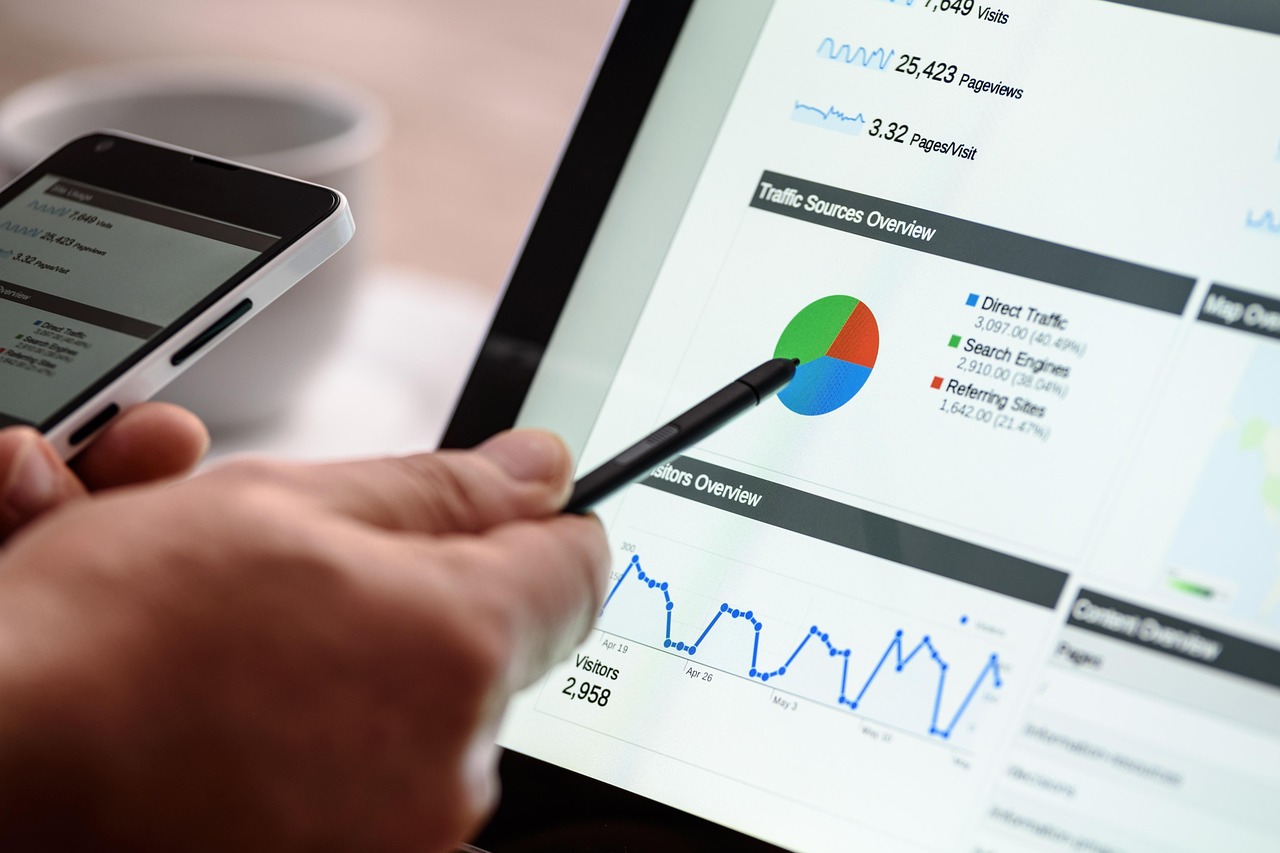
In today's hyper-competitive digital landscape, launching an advertising campaign can feel like shouting into a hurricane. With countless platforms, ever-changing algorithms, and a deluge of data, it's easy for even seasoned marketers to feel overwhelmed. How do you ensure your message reaches the right people? How do you know if your budget is being spent effectively? And how can you possibly manage it all without working 80-hour weeks?
The answer lies in leveraging the power of advertising tools. These sophisticated platforms are the modern marketer's secret weapon, transforming chaotic guesswork into a streamlined, data-driven science. They are the scaffolding that supports successful campaigns, the compass that guides your strategy, and the engine that drives your growth.
This guide is your deep dive into the world of advertising tools. We'll demystify the different categories, explore the industry-leading options, and provide a clear framework for choosing the perfect toolkit for your business. Whether you're a solo entrepreneur trying to make your first ad spend count or a marketing manager overseeing a multi-channel strategy, you'll find actionable insights here to elevate your advertising game.
What Are Advertising Tools and Why Are They Essential?
At their core, advertising tools are software applications and platforms designed to help businesses and marketers plan, execute, manage, analyze, and optimize their advertising campaigns. They span a vast spectrum, from the massive ad networks of Google and Meta to specialized software for creating ad visuals or analyzing competitor strategies.
Relying on manual processes and gut feelings in advertising is like trying to navigate the ocean with a hand-drawn map. It might have worked once, but today you need GPS, sonar, and a weather satellite. That's what these tools provide. Their importance can be broken down into several key benefits:
- Unprecedented Efficiency and Time-Saving: Many advertising tasks are repetitive and time-consuming—adjusting bids, pulling reports, A/B testing ad copy. Tools automate these processes, freeing up your time to focus on high-level strategy and creative thinking.
- Data-Driven Decision-Making: The most significant advantage of digital advertising is trackability. Tools provide the analytics and insights needed to understand what's working and what isn't. You can see exactly which ad, keyword, or audience segment is driving results, allowing you to double down on success and cut your losses.
- Enhanced Targeting and Personalization: Gone are the days of billboard advertising that speaks to everyone and no one. Modern advertising tools allow for hyper-specific targeting based on demographics, interests, online behavior, job titles, and more. This ensures your message reaches the people most likely to convert, dramatically improving your ad spend efficiency.
- Improved Return on Investment (ROI): By combining efficiency, data-driven insights, and precise targeting, the ultimate outcome is a better ROI. Tools help you optimize every dollar of your ad spend, ensuring it works as hard as possible to achieve your business goals.
- Scalability: As your business grows, so will the complexity of your advertising. Tools make it possible to manage campaigns across multiple channels, in different regions, and with larger budgets without your workflow collapsing.
In short, advertising tools are the bridge between your strategy and your results. Without them, you're flying blind.
Navigating the Universe of Advertising Tools: Key Categories
The ecosystem of advertising tools is vast. To make sense of it, it's helpful to break them down into functional categories. While many tools wear multiple hats, most specialize in one of these core areas.
1. Search Engine Marketing (SEM) & PPC Management Tools
Search Engine Marketing (SEM) is the practice of advertising on search engines like Google and Microsoft Bing. These platforms are intent-driven; you're reaching users at the exact moment they are actively searching for a solution you provide. This makes them incredibly powerful for driving leads and sales.
Google Ads
The undisputed giant of the search advertising world. With billions of searches per day, Google Ads offers unparalleled reach. It’s a complex but immensely powerful platform that is essential for almost any business.
- Key Features:
- Search Ads: Text-based ads that appear on Google search results pages.
- Display Ads: Visual ads that appear across a network of over 2 million websites, videos, and apps.
- YouTube Ads: Video ads that run before, during, or alongside YouTube content.
- Performance Max: An AI-powered, goal-based campaign type that automates targeting and delivery across all of Google's channels.
- Keyword Planner: A research tool to discover new keywords and get search volume and cost estimates.
- Pros: Massive reach, high user intent, a wide variety of ad formats, and powerful optimization features.
- Cons: Can be highly competitive and expensive, with a steep learning curve for beginners.
- Actionable Advice: For newcomers, start with a tightly focused Search campaign. Use the Keyword Planner to find long-tail keywords .
Generate by Gemini 2.5 Pro