
More Than Just Playthings: The Enduring Power and Purpose of Toys
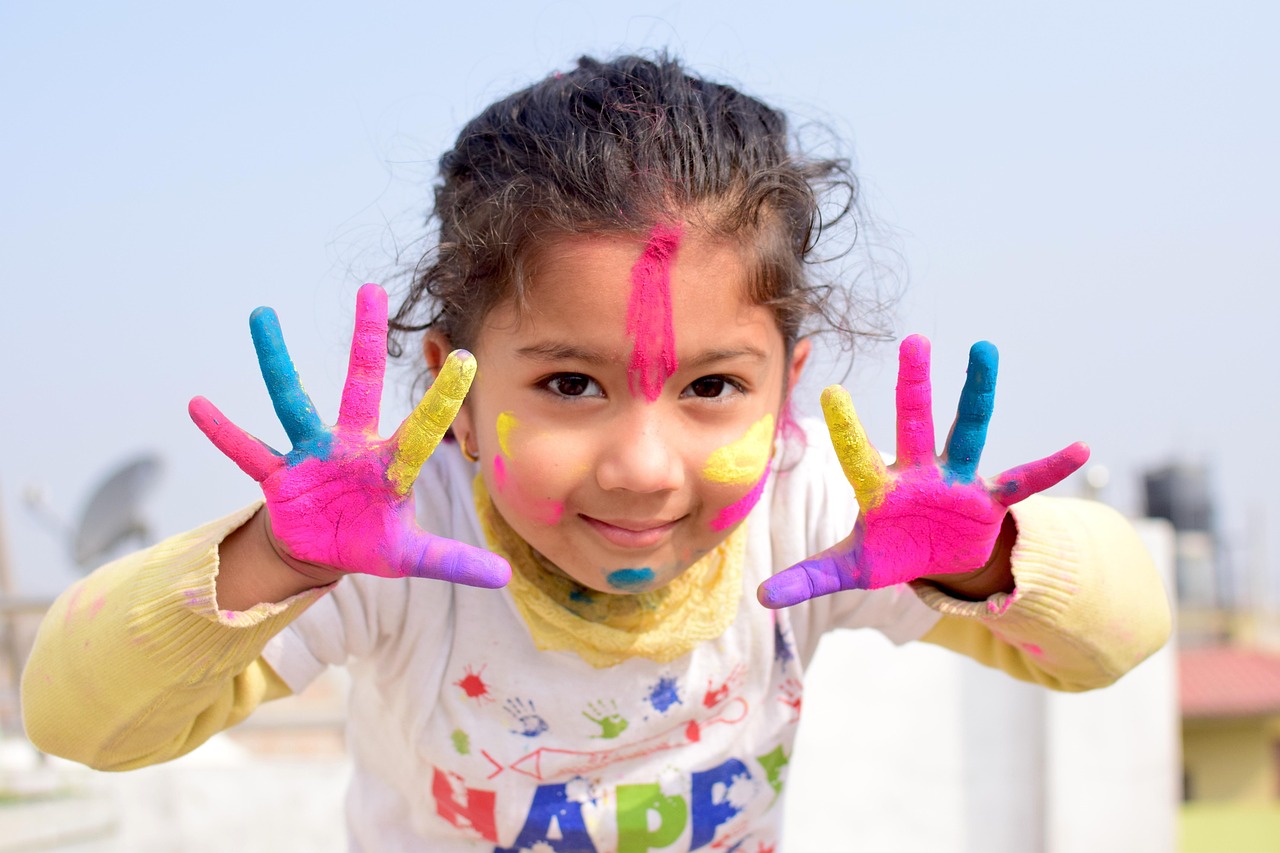
Remember your favorite childhood toy? Maybe it was a well-loved teddy bear with a missing eye, a bucket of colorful building blocks, or an action figure that saved the world a thousand times over. That rush of nostalgia isn't just about a simple object; it's about the countless hours of imagination, learning, and comfort that toy provided. In a world saturated with digital entertainment, it's easy to dismiss traditional toys as quaint relics. However, they remain one of the most fundamental tools for human development. Toys are the instruments of play, and play is the serious work of childhood.
This comprehensive guide will journey through the world of toys, uncovering their rich history, celebrating their profound impact on developing minds, and offering actionable advice for parents and caregivers navigating the often-overwhelming toy aisle.
A Brief History of Play: From Sticks to Smart Toys
The desire to play is a universal human instinct, and toys have been our companions for millennia. Their evolution mirrors our own technological and cultural progress, telling a story of what we value and how we learn.
-
Ancient Origins: The earliest toys were crafted from materials found in nature. Archaeologists have unearthed small clay figures, stone yo-yos, and bone dolls dating back to ancient civilizations in Egypt, Greece, and Rome. These simple items show that even thousands of years ago, children engaged in imaginative role-playing and games of skill. A simple stick could become a sword, a horse, or a magic wand—a testament to the power of a child's imagination.
-
The Industrial Revolution: The 18th and 19th centuries marked a significant shift. Mass production made toys more accessible to the growing middle class. German artisans became famous for their intricate wooden toys, dollhouses, and tin soldiers. This era gave birth to classics like the rocking horse and alphabet blocks, which explicitly blended play with education.
-
The 20th-Century Boom: The post-war era, fueled by the invention of plastic and the rise of television advertising, was a golden age for the toy industry. This period gave us some of the most iconic toys in history:
- LEGO bricks (1958): Revolutionized construction play with their interlocking system.
- Barbie (1959): Changed the doll market forever, offering a world of fashion and aspirational careers.
- G.I. Joe (1964): Coined the term "action figure" and brought adventure play to a new level.
- Video Games (1970s-Present): From Pong to the PlayStation, electronic entertainment created an entirely new category of play.
-
The Digital Age: Today, we are in the era of smart toys. These are toys embedded with technology, from coding robots that teach programming basics to interactive dolls that use AI to respond to a child. The line between the physical and digital world is blurring, creating new and exciting possibilities for play.
The Power of Play: How Toys Shape Developing Minds
A toy is never just a toy. It's a laboratory for learning, a stage for social interaction, and a gym for physical development. When a child plays, they are actively building the neural pathways that will serve them for the rest of their lives. The right toys act as catalysts for this crucial developmental work.
Cognitive Growth
Toys are a child's first introduction to problem-solving and logical thinking.
- Puzzles and Shape Sorters: Teach spatial reasoning, pattern recognition, and perseverance.
- Building Blocks (like LEGOs or Magna-Tiles): Introduce concepts of gravity, balance, and geometry. They encourage planning and creative problem-solving when a structure collapses.
- Science Kits: Provide a hands-on, tangible way to understand abstract concepts like chemical reactions or electrical circuits.
Social and Emotional Skills
Imaginative play is where children rehearse for real life. They experiment with social roles, learn to understand others, and process their own emotions.
- Dolls, Action Figures, and Stuffed Animals: These become characters in complex narratives, allowing children to practice empathy, conflict resolution, and nurturing. A child comforting a "sad" teddy bear is practicing how to be a caring friend.
- Play Kitchens and Dress-Up Clothes: Facilitate role-playing, where children can be a chef, a doctor, or a parent. This helps them understand different social roles and responsibilities.
- Board Games: Are excellent for teaching turn-taking, following rules, and how to be a gracious winner and loser.
Physical Development
Toys are also essential for honing both fine and gross motor skills.
- Fine Motor Skills: The ability to make small, precise movements with the hands and fingers is crucial for tasks like writing and buttoning a shirt. Toys like crayons, modeling clay, beads for stringing, and building bricks are perfect for strengthening these muscles.
- Gross Motor Skills: These involve large muscle movements of the arms, legs, and torso. Toys that encourage this include balls, tricycles, jump ropes, and climbing structures. Active play is vital for physical health and coordination.
Navigating the Toy Aisle: A Practical Guide to Choosing the Right Toys
Walking into a modern toy store can be an overwhelming experience. Flashing lights, loud noises, and thousands of choices can make it hard to find something truly valuable. Here’s a framework to help you choose toys thoughtfully.
1. Consider the Child's Age and Developmental Stage
Age recommendations on boxes are there for a reason—not just for safety, but for developmental appropriateness. A toy that is too advanced will cause frustration, while one that is too simple will lead to boredom.
- Infants (0-12 months): Focus on sensory stimulation. Toys they can look at (mobiles), listen to (rattles), and touch (soft books, textured balls) are ideal.
- Toddlers (1-3 years): They are busy developing motor skills and learning cause-and-effect. Think stacking rings, large puzzles, push toys, and ride-on cars.
- Preschoolers (3-5 years): Imagination is exploding at this age. Prioritize dress-up costumes, art supplies, play-doh, and more complex building sets. This is also a great age for introductory board games.
- School-Aged Children (6+): They are ready for complexity and strategy. Look for STEM kits, advanced LEGO sets, chapter books, and strategy board games.
2. Prioritize "Open-Ended" Over "Single-Purpose"
A flashy electronic toy that sings the alphabet when you press a button is a single-purpose toy. It does one thing, and once the child has mastered that, the toy's play value plummets.
An open-ended toy, like a set of plain wooden blocks, can be anything. It can be a castle, a car, a spaceship, or a bridge. These "boring" toys are actually engines of creativity. They require the child to bring the imagination, which is a much more valuable skill than simply pressing a button.
A good rule of thumb: 90% of the play should come from the child, not the toy.
3. Create a Balanced Toy "Diet"
Just as a balanced diet is essential for physical health, a balanced collection of toys is vital for holistic development. Try to ensure a child has access to a variety of toy types:
- Something for creativity: Crayons, paint, clay.
- Something for building: Blocks, LEGOs, magnetic tiles.
- Something for moving: Balls, a scooter, a jump rope.
- Something for thinking: Puzzles, board games, STEM kits.
- Something for imagining: Dolls, costumes, puppets.
4. Don't Forget Safety
Safety should always be the top priority.
- Check for choking hazards. For children under 3, avoid any toys with small parts that can fit through a toilet paper tube.
- Ensure materials are non-toxic. Look for labels like "BPA-free" and "non-toxic paint."
- Inspect for durability. Avoid toys with sharp edges or flimsy construction that could easily break and create a hazard.
The Future of Fun
The world of toys continues to evolve. We are seeing a rise in sustainable toys made from bamboo or recycled plastics, reflecting a growing environmental consciousness. Augmented Reality (AR) is beginning to merge physical play with digital overlays, bringing building blocks to life on a screen. Furthermore, there is a wonderful and long-overdue push for inclusivity, with more toys that represent diverse cultures, abilities, and family structures.
Ultimately, no matter how much technology advances, the core purpose of a toy remains the same: to be a catalyst for imagination, a tool for learning, and a source of joy. The next time you see a child completely lost in play, take a moment to appreciate the magic. They aren't just playing with a toy; they are building their world.
Generate by Gemini 2.5 Pro